Latest

-

How to identify early menopause signs and symptoms and advice from specialists on navigating this change
Plus, where to find help and support if you start to experience early menopause signs and symptoms
-

12 natural PMS remedies that really work and how to ease premenstrual syndrome at home
Doctors and nutritionists share their advice on what really works for PMS and what natural PMS remedies are best to help ease premenstrual syndrome at home.
-

Are sunbeds safe in pregnancy? We asked an expert to talk us through all you need to know
We all know not to spend too long in the sun, but are sunbeds really any better? We've explained the risks during pregnancy
-

Doctors share their advice for parents on how to support children with dermatitis
Evidence-based advice on caring for children with dermatitis from doctors and dermatologists
-
Advice on psoriasis in children from dermatologists, including how to manage symptoms at home
Dermatologists answer some common questions about psoriasis in children and provide advice on how parents can help their child manage the skin condition
-
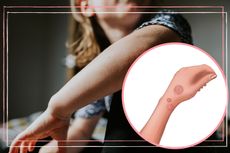
Advice from GPs on what to do if your child contracts ringworm, including how to stop the spread at home
Ringworm is very contagious, so if you find out your child has it, there are some important steps to take to try and minimise the risk of spreading it throughout your household, to siblings or to vulnerable family members
-
What to do if your child has heat rash
Advice from GPs and paediatricians on how to soothe heat rash in children and what to do if your child has heat rash and it’s not going away
-

Nurse explains why you should keep a red face cloth in your child’s first aid kit – and it’s so obvious when you think about it
This is one addition you should make to your first aid kit, particularly if you have young children – we'd never thought about it but it makes so much sense
-

Maternity deaths at highest levels in two decades, according to study
They're at levels we haven't seen since 2003-05 according to the research, with black women and women from deprived areas among those most at risk


