Living well and feeling good - we’re here with expert advice to improve your physical, mental, and family health. Looking to pamper yourself? Find the best beauty products, tried and tested by our beauty experts - along with quick, easy and low maintenance tips on looking and feeling gorgeous. When it comes to our mental health, post-natal health, and nurturing healthy relationships, we share expert advice from qualified psychiatrists, counsellors, and mental health advocates.

-

Do you know what matrescence is? For us mums, it's a hard relate
Matrescence might be a new word, but mums will recognise the description and feeling that go with it
-

30 of the best self-care ideas to boost your health and manage stress
Busy putting the family first? Give yourself a lift with these tried-and-tested self-care ideas
-

How to boost serotonin naturally – advice from the experts
Improve your mood with these simple serotonin-stimulating habits
-
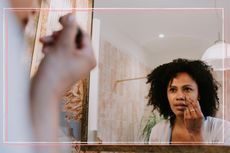
How to look less tired. I'm a beauty editor and these 39 products will help you look and feel fresh (even when you've been up all night)
These Beauty Editor-approved products will help busy mums fight tired skin
-

What are the benefits of cold water swimming? How to start and how to stay safe in cold water
What are the benefits of cold water swimming and what do beginners need to know? We asked the experts
-

Exercise for kids: 20 fun ideas to get the whole family moving - and you might even enjoy them too
Have some family fun with exciting indoor and outdoor activities like walking or swimming


LATEST WELLBEING
-

A GP and Advanced Menopause Specialist on how to identify and manage symptoms of menopause
An Advanced Menopause Specialist explains the common symptoms of menopause, how they are treated and shares advice for how to manage them
-

How to identify early menopause signs and symptoms and advice from specialists on navigating this change
Plus, where to find help and support if you start to experience early menopause signs and symptoms
-
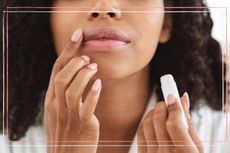
Dry lips in pregnancy: Causes, remedies and 3 expert-recommended lip products to try
Experiencing dry lips in pregnancy? We spoke to two skin experts to narrow down possible causes, as well as a fail-safe treatment plan.
-

Gen Z's happiness is most driven by a 'sense of purpose', according to new research - but data shows it declines as they reach adulthood
The number one thing that is driving Gen Z happiness has come as a surprise to some
-

Compromising may be killing your relationship - here are 5 ways to reach healthy compromises, according to relationship expert
Compromising isn't always the best way to keep the peace in a relationship
-
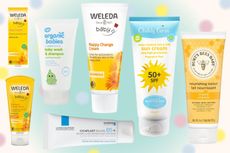
7 baby skincare products mums love to use on themselves, according to our Beauty Editor
Could the gentle formulations of baby skincare products be the thing to reset your grown up skin? We find out
-
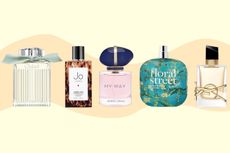
12 best mood-boosting perfumes for an immediate scent escape
From relaxing notes to energising scents, these mood-boosting perfumes will invigorate your senses
-

Reframing one simple habit could get your sex life back on track after having a baby, new research shows
Many parents struggle to get their sex life back on track after having a baby, but new research has shown how one simple habit could make all the difference.
-

Raising an anxious kid? Here are 6 things that mental health experts want parents to know (and #1 could be a game changer)
If you have a child who often experiences feelings of anxiety, psychologists have explained some ways you can respond when they're struggling with their emotions.
-

This daily habit all couples do could be killing your relationship, says expert - but the advice has proved to be controversial
An expert has warned that one common pastime could be ruining your relationship, calling it the 'lowest form of intimacy'. But not everyone is convinced...
-

Trans children are being 'let down by NHS' amid gender identity debate, major review finds
A new review has found that the debate around trans issues has led to children unsure of their gender identity being 'let down' by the NHS.
-

This popular genre of TV could be harming your love life, says study - and here's the surprising reason why
Fans of Friends and How I Met Your Mother might want to consider introducing some more romantic TV shows onto their watch list...
-

One common habit could be key to improving your sex life, says relationship expert - it only takes 20 seconds and can even be done in public
If your sex life has taken a hit recently, trying this 20-second trick could help boost physical intimacy.
-
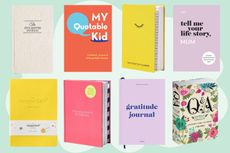
Journals for parents: 9 of the best positivity planners and 5-minute diaries to record special moments and manage anxieties
The best journals for parents can help navigate the ups and downs of family life - from recording special memories to working through difficult emotions when things get tough.
-

Relationship experts share 10 ways to connect with your partner after your kids have gone to bed - and some of them are so simple
But #3 isn't always an option for sleep-deprived parents...


